In case you missed it, last November I got to be part of an author fundraising project Supa Hoard of a Wayward Dragon. (Thanks to my author friend R. Leonard for the book link and for being editor-in-chief of the project. 🤗) This anthology brought together 15 diverse authors for a limited edition (i.e. single print run), beautifully presented, fantasy anthology that followed the story of a dragon and its coin.
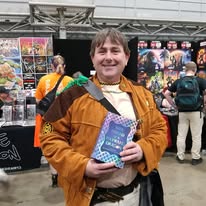
Copies have sold quickly, but word on the street is at least one author, A. L. Tippet, still has a “hoard” (🤣) of books, if you’re keen for one of your own. Launched at Brisbane Supanova 2025, the contributing authors (me and the Rendered Realms crew included) had a bit of fun with 3D printed dragons with coin in hand … er … claw. Many of us dressed in character and we even had a roving author readers had to chase down for a full complement of signatures (thanks, Mark!).
For those interested, my contribution continued Vivia’s adventures from ‘Over and Out’, my short story in the Crossed Spaces anthology. Our favourite Aussie with attitude is back in Australia after her international misadventures with Nathan, her in-the-flesh Texan ranger … sort of. In ‘Seeded Storm—A Virtual Mirage’ Vivia and her ninja hacking team have to infiltrate a seed bank. Enter a virtual dragon inseparable from its personal bitcoin, and the trouble has only just begun.
If you want to know more, you’ll just have to hunt down a copy.😉
Much has been said about vanity in writing circles over the years. For those not in the know, vanity press is a deceptive front that pitches “publication” to unwitting writers desperate to see their work in print, but delivers little-to-none of what they promise. These scammers deliver a poor product with zero marketing reach and often include a contract that holds you captive if you ever want to see your book on a shelf. The classic tell (usually shortly after manuscript receipt) is, “Your work is a standout in the market and we’d love to publish your [insert appropriate manuscript type].” Fawn, fawn, fawn.
But then comes the clincher. “You just have the raise the money …”
That, my friend, is not publication, but predation (in the literary sense …).
Traditional publishers do not ask for money to “publish”. Neither do they offer publication tiers nor require you to purchase a certain number of books (especially a significant number) post-publication. These moves suggest an entity is trying to resource the project with your money whilst trading on the fact they APPEAR to be traditional, whilst really trapping you in a financially unviable book deal. (Hate to break it to you, but books are not the money maker everyone imagines.) Also beware of the non-disclosure clauses on discussing the conditions of your contract with anyone.
However, this is not to be confused with author services.
Author services are agreements between a writer and service provider, offered for a fee. Said writer asks for said service [insert cover design, or editing, or typesetting etc], doles out the agreed monetary equivalent, but retains the rights of their work. The writer can also request production services, like printing, and refuse recommended editing (or anything else) for their “precious” (for those Lord of the Rings fans) and release it to the wild raw—and that is seldom a good thing. But it is what it is.
Unfortunately, some folk struggle to delineate between these two categories and pull a Joan-of-Arc type move on anyone they believe is engaging in vanity publication, even when they’re just providing (or receiving) a requested service. The consequences of such character assassination can be far more damaging than that of vanity publication … But I digress …
Recently, I’ve encountered vanity in an entirely different manner. Marketing.
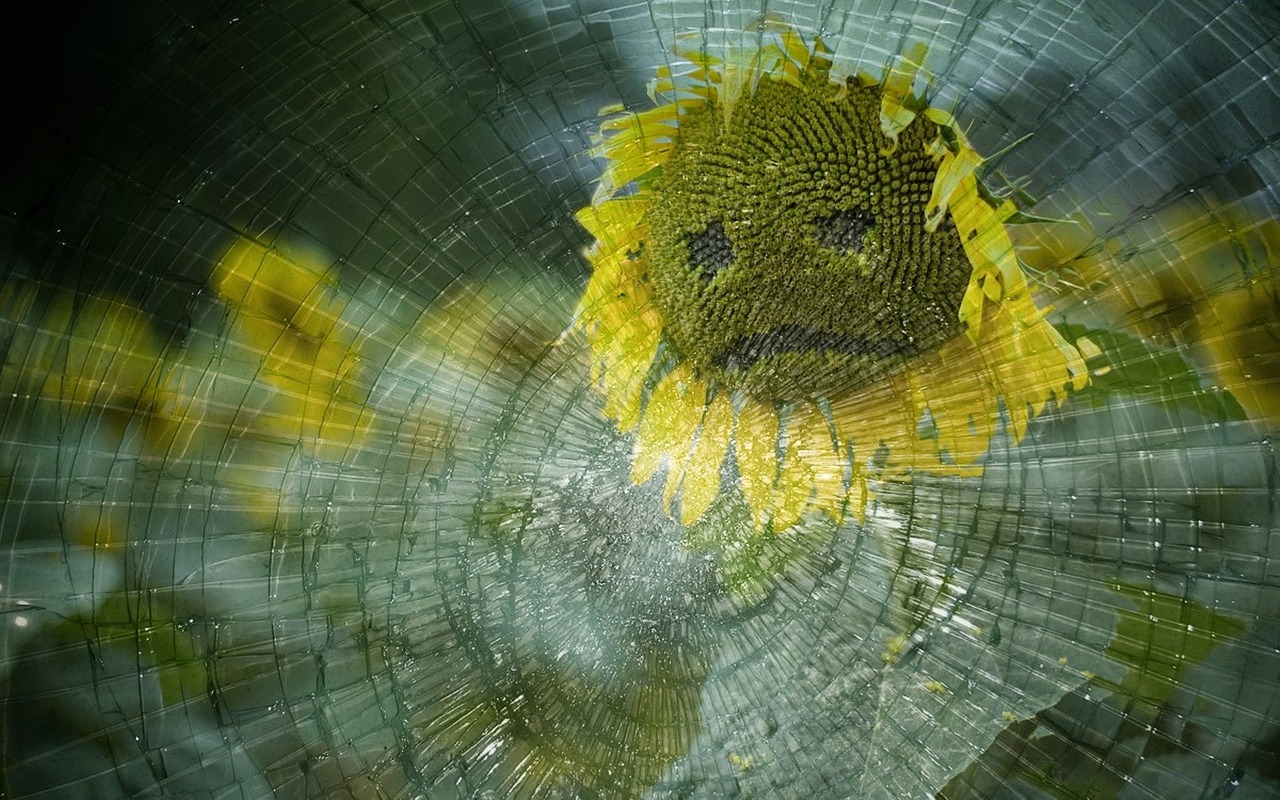
Photo credit: Shaarc, Pixabay, pixarc sad
Daily, I receive cleverly crafted emails assuring me my books are a gift to the sci-fi loving masses, all rooted in the commonality of shared moral conflict and the internal grappling of humanity. (Apologies to any of you whose genuine emails have been buried in this flux of adoration of my transcendental storytelling skills. 🙌)
Honestly, the hooks are extraordinarily appealing. These contacts (who all have gmail accounts, interestingly) have mined (by AI, no doubt) the guts of each of my stories, along with anything and everything I’ve ever written online. The knack is, like any other AI information source, to tell you exactly what you want to hear. Primarily this is in a way that overwhelms you with dopamine-stimulating words to shut down reason and lure you towards that sell.
Books clubs. So many online book clubs with thousands of readers gripped by my science-fiction character’s deeply human plights, all hungry to read that next page. (Funny, I never see this translate into sales … 🤔) And if you humour them, because it’s honestly rather fascinating, eventually the flattery comes down to paying a “modest” administration fee (then translate to $US) for this career-changing opportunity. Really, if they were that keen, they’d buy the book en masse and put up the reviews. Maybe then I’d take them seriously.
Then there’s the film pitch—because every author wants to see their stories on screen. And I (yes, me!) was the one they chose? What favour! Just reply. Or click the link. (No, don’t!)
And the marketing pitches around SEO. Again, awesome breakdowns and descriptions telling me all about me and my work from the online AI sifting, with the final punch being the lack of reach and a startling absence of reviews proclaiming the glory of my talent. Sad, isn’t it? (And, honestly, it is a little …)
But it’s fake. A scam to engage and take whatever it is these grifters are seeking. And it all plays on humans’ inherent need for validation and an unpinning desire to be affirmed. With writing an isolating venture, it is often just what an author struggling to get traction wants to hear.
In our egocentric world, there are plenty of gimmicks willing to take advantage of our own vanity. I even receive frequent emails from world-famous authors wanting to link up. (Yeah, right.) If it seems too good to be true, it often is. Stay wise and receive such flattery with caution before clicking reply. And if someone really has thousands of bookish sci-fi fans desperate to take a deep dive into my novels, in the words of Eliza Doolittle, “Show me!” (I’ll keep an eye out for all those royalties and spontaneous reviews—thanks in advance. 😉)
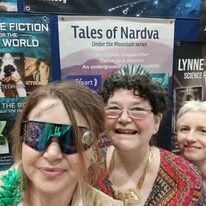 Copies have sold quickly, but word on the street is at least one author, A. L. Tippet, still has a “hoard” (🤣) of books, if you’re keen for one of your own. Launched at Brisbane Supanova 2025, the contributing authors (me and the Rendered Realms crew included) had a bit of fun with 3D printed dragons with coin in hand … er … claw. Many of us dressed in character and we even had a roving author readers had to chase down for a full complement of signatures (thanks, Mark!).
 For those interested, my contribution continued Vivia’s adventures from ‘Over and Out’, my short story in the Crossed Spaces anthology. Our favourite Aussie with attitude is back in Australia after her international misadventures with Nathan, her in-the-flesh Texan ranger … sort of. In ‘Seeded Storm—A Virtual Mirage’ Vivia and her ninja hacking team have to infiltrate a seed bank. Enter a virtual dragon inseparable from its personal bitcoin, and the trouble has only just begun.